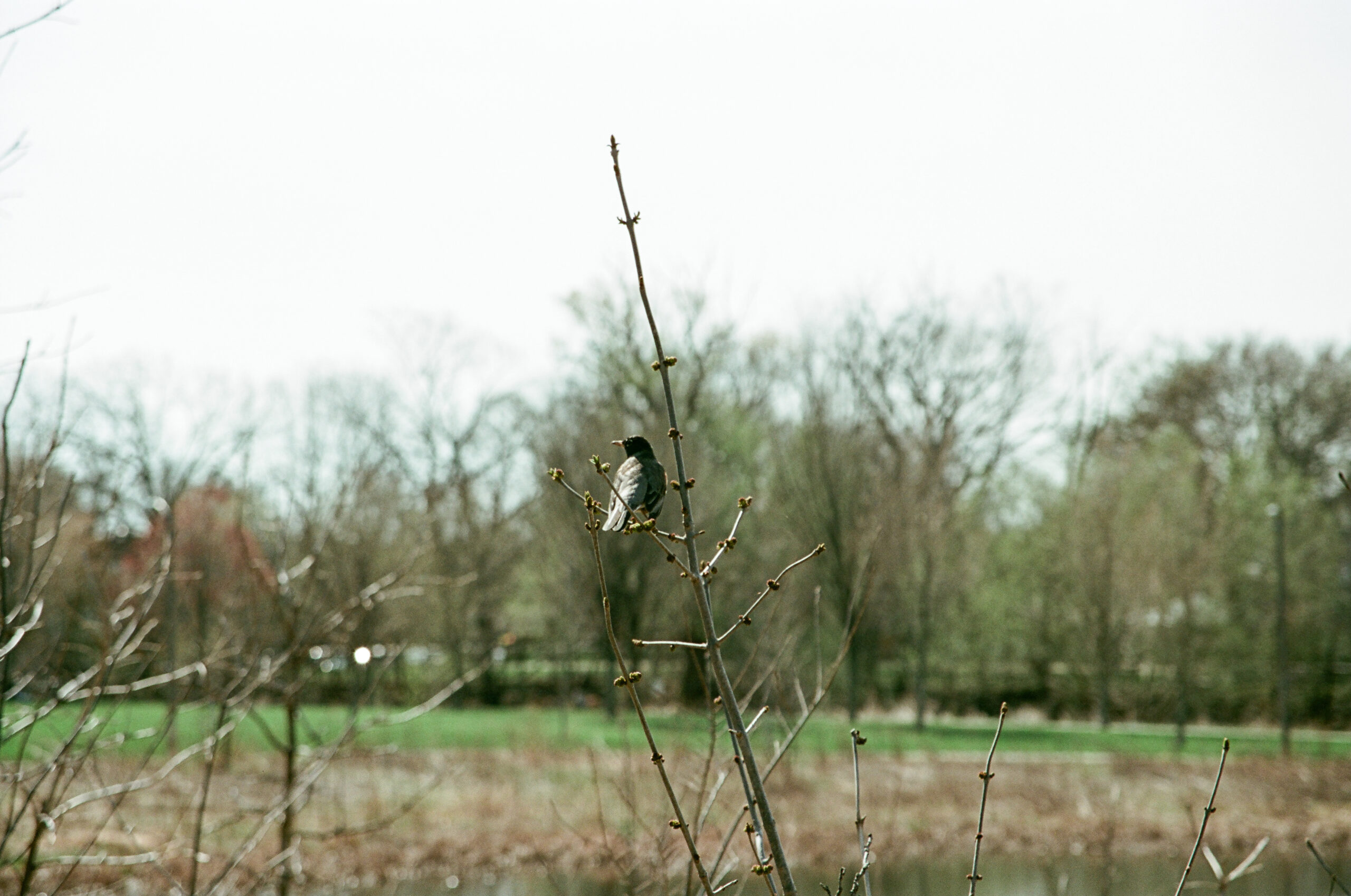
I wouldn’t be the first person to look at FPP Color 125 and be reminded of Aerocolor, but I actually had the opposite experience. I got back my first scans of Elektra 100 (respooled Aerocolor IV) and thought, “This reminds me of FPP Color 125.” Comes from being a novice and purchasing films almost at random (or based on what’s on sale).

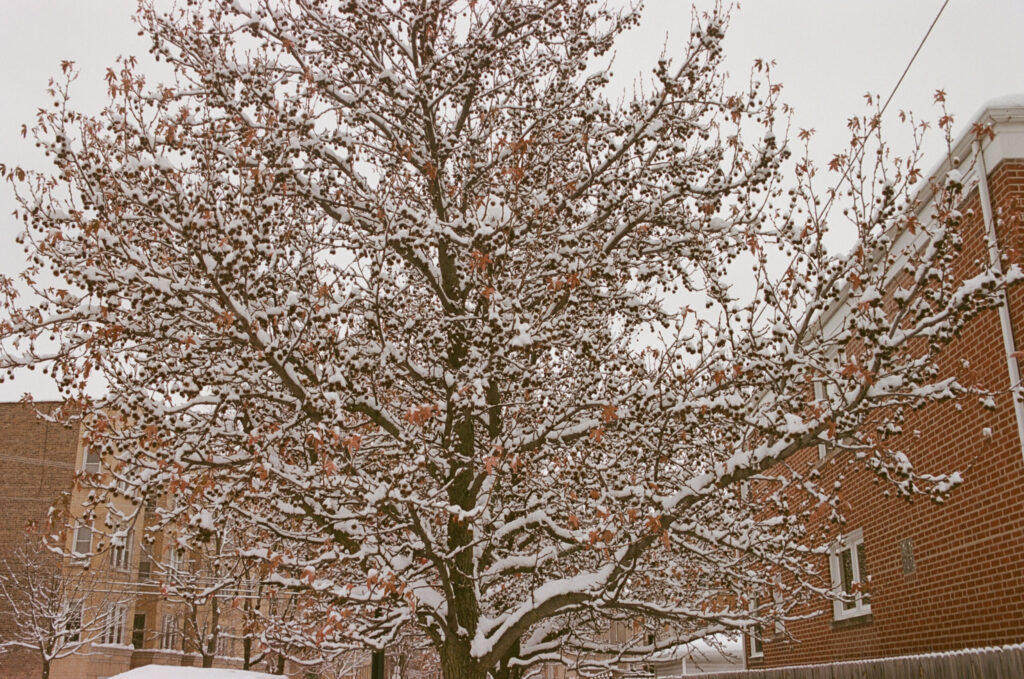
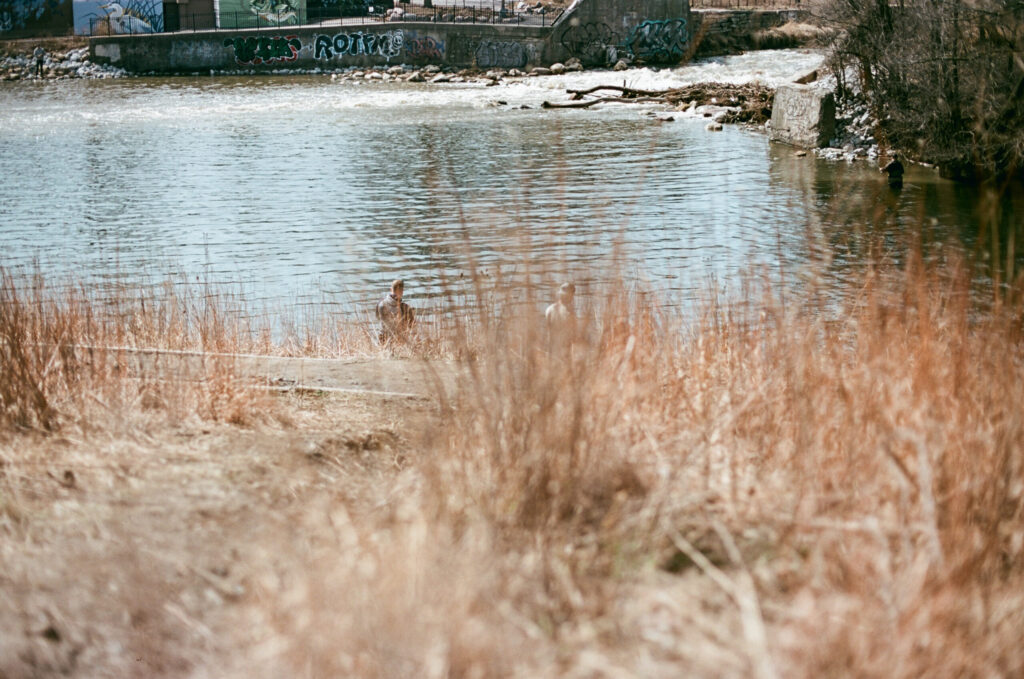
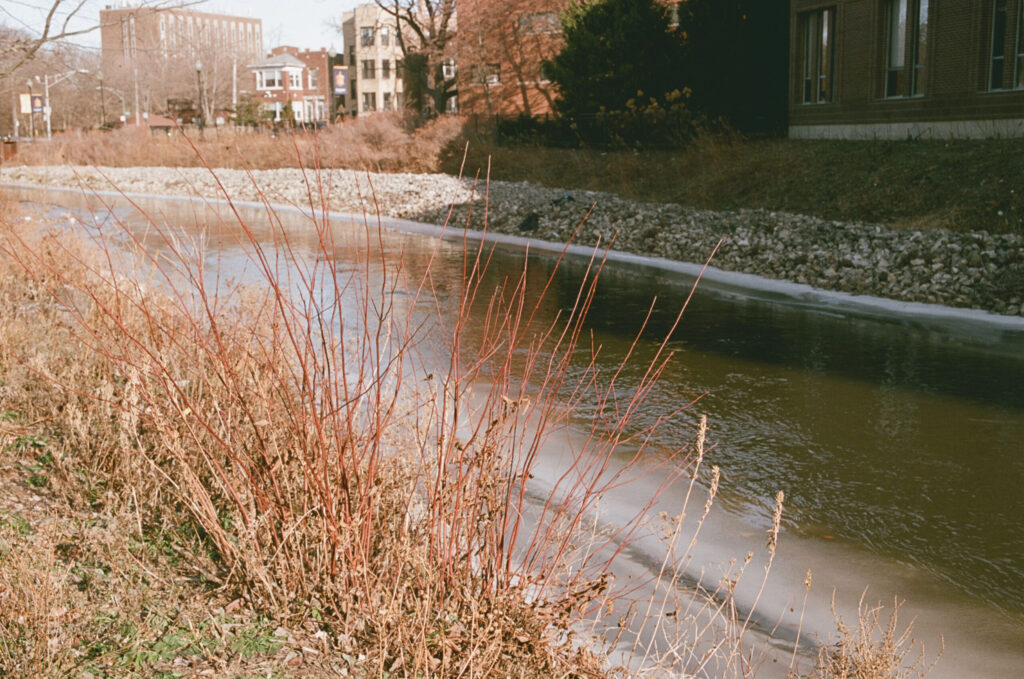
Elektra 100 will be on the left throughout this post, and FPP Color 125 on the right.
This was a bad comparison. For so many reasons. I shot different subjects, during different seasons. They were developed & scanned by different labs at different resolutions. The only thing I had going for me was that I happened to shoot the FPP Color 125 at ISO 100.
I had a couple more rolls of Color left in my fridge, so I decided to try again. I shot mainly nature scenes like I did with the Elektra, and went with the same lab & scan size as I did with the Elektra.
First, here’re a few more shots from that first roll of Color, just to give you an idea of the distinct color palette:
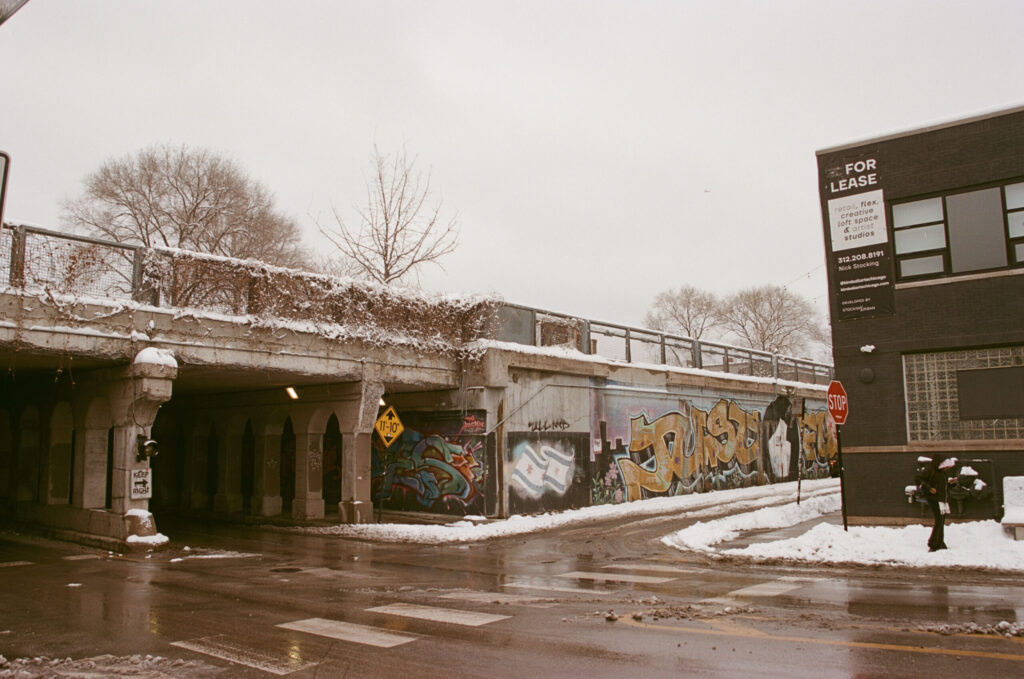



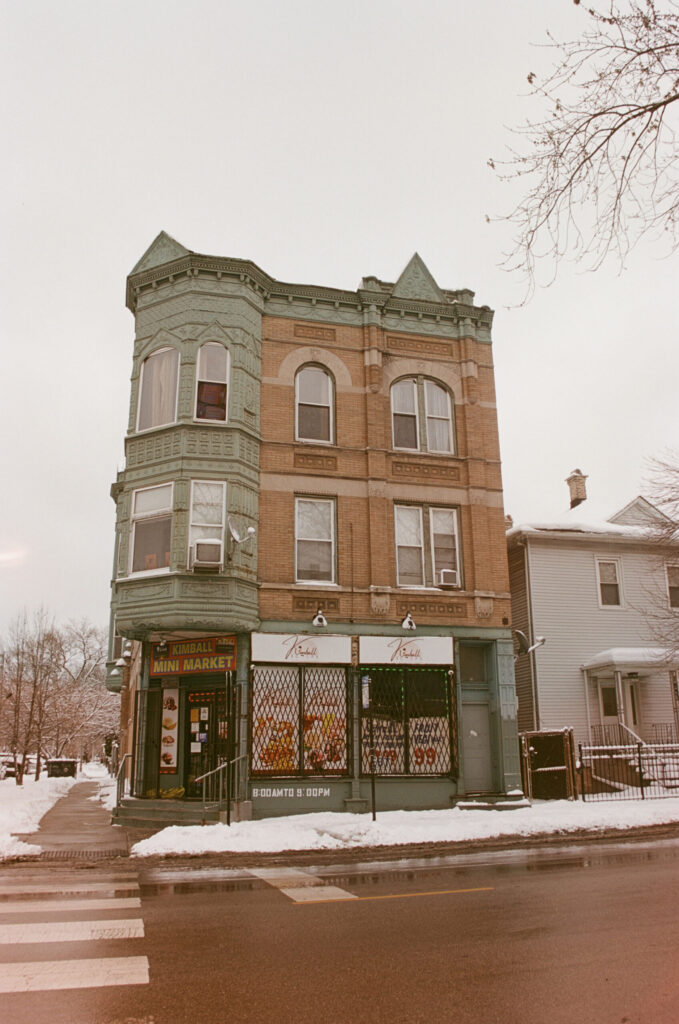

Everything has sort of a rosy tinge with deep green shadows – not exactly true-to-life, but I was captivated by it.
There are some theories as to what film stock FPP Color 125 actually is. I’m not even remotely qualified to answer that question myself. Instead, I posed a different question: is it close enough?
In other words, can I just buy whichever one I can get more cheaply and expect equivalent results?
The Films
FlicFilm describes Elektra 100 as “a fine grained medium speed film with excellent acuity and true color rendition.” Their page also explicitly states that it’s respooled Kodak Aerocolor IV. For what it’s worth, the datasheet for Aerocolor IV lists its ISO as 125, but emphasizes that ISO for aerial purposes differs from ISO for normal photographic purposes (in some obscure way that Kodak does not deign to describe).
The Film Photography Project describes FPP Color 125 as “a subdued, unique, fine grained, fresh color film with a retro look unlike other color print film!” Actually, it lists it as “FPP Svema Color 125,” but retailers seem to be dropping the “Svema” part for whatever reason. Presumably Svema is the actual origin of this film stock, or at least involved in it. Tragically, the Color only comes in 24-exposure rolls, though I got 25 exposures out of my first and 26 out of my second. Hurray for respoolers!
From the descriptions, you’d expect the Color to be a bit less true-to life, but nothing crazy, and the Elektra to be very true-to-life.
I shot my second roll of FPP Color at 100 again for consistency. I’ll be posing the unaltered lab scans I got back. I tend to lean into that reddish look when editing, and that would definitely throw off these results!
The Negatives
When I compared my first roll of Color with my roll of Elektra, I could see a small difference in the color of the film base. Apologies for these truly horrendous phone photos of my lightpad:
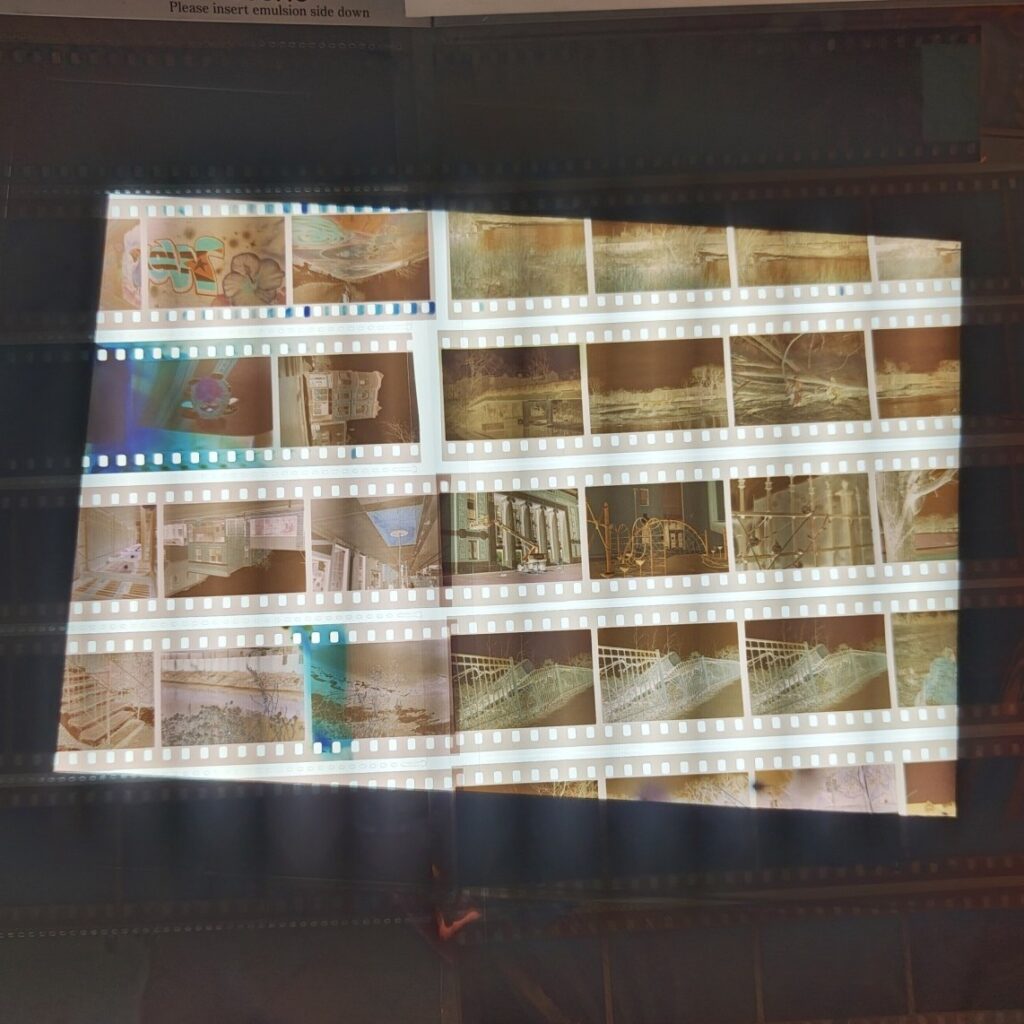
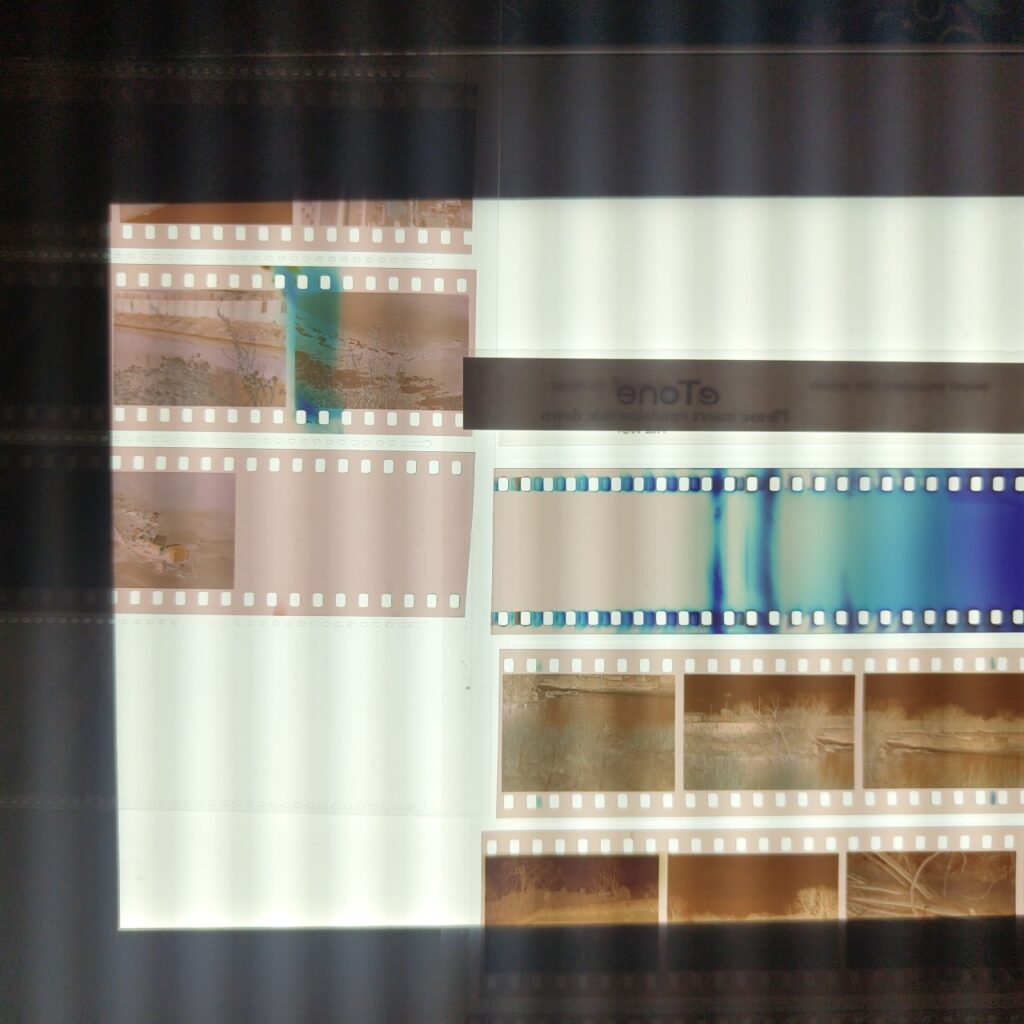
(In each photo, FPP is on the left and Elektra on the right.)
Both films have a very clear film base, with no information whatsoever along the rebate. The color was slightly different, though- the Color was more pink, and the Elektra was more peach.
Then I got back the negatives from my second roll of Color.
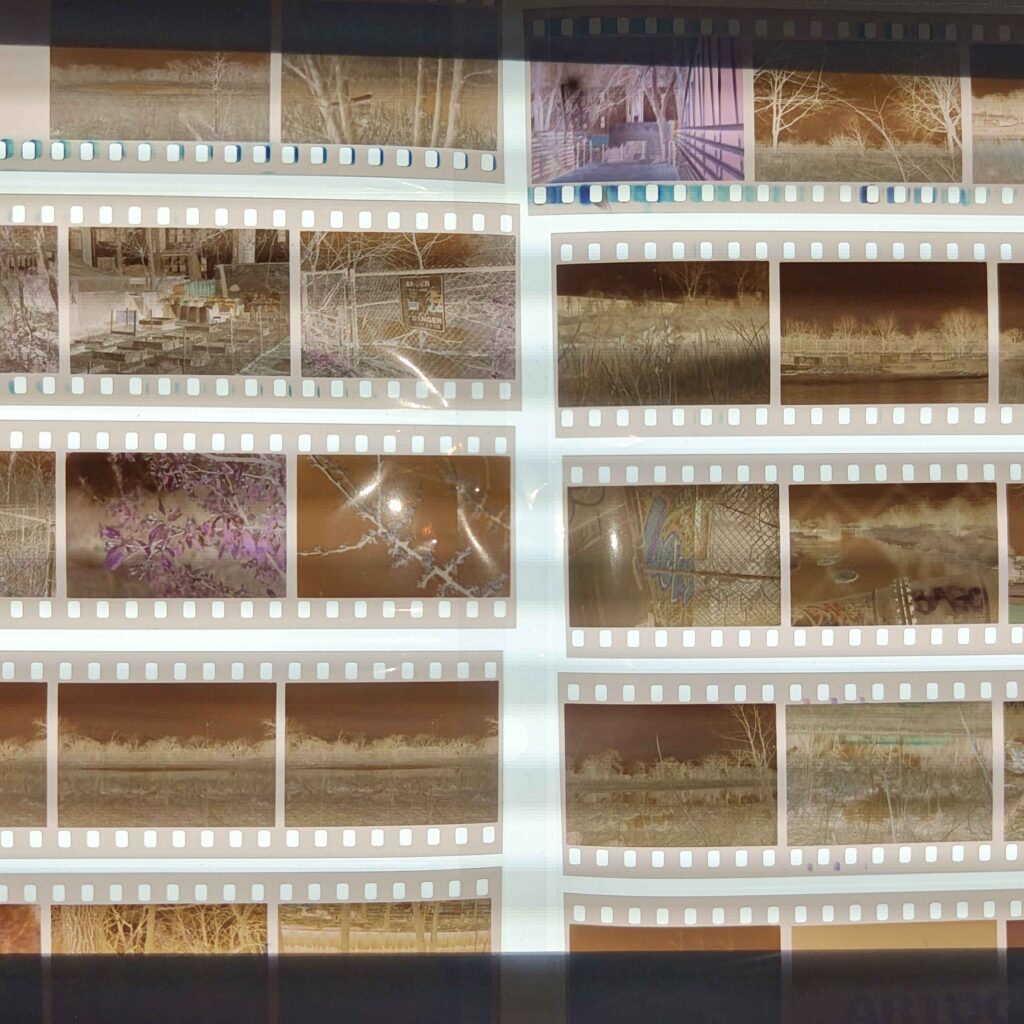
I’m not sure I could discern a difference in film base if you paid me.
Using the same (or very, very similar) film base doesn’t mean they’re the same emulsion, of course. And I’m not going to pretend I’m capable of judging the density of the images themselves. But the similar film bases should give the films similar qualities- light piping, for example, and suitability for redscaling. The lack of an orange mask also affects the scanning process, which explains why the results differed from lab to lab.
Side By Sides
I’m going to look at a few different qualities here:
- Grain
- Detail
- Shadow detail
- Color palette
Grain
Both films are described as fine-grained, and I can’t argue with that.

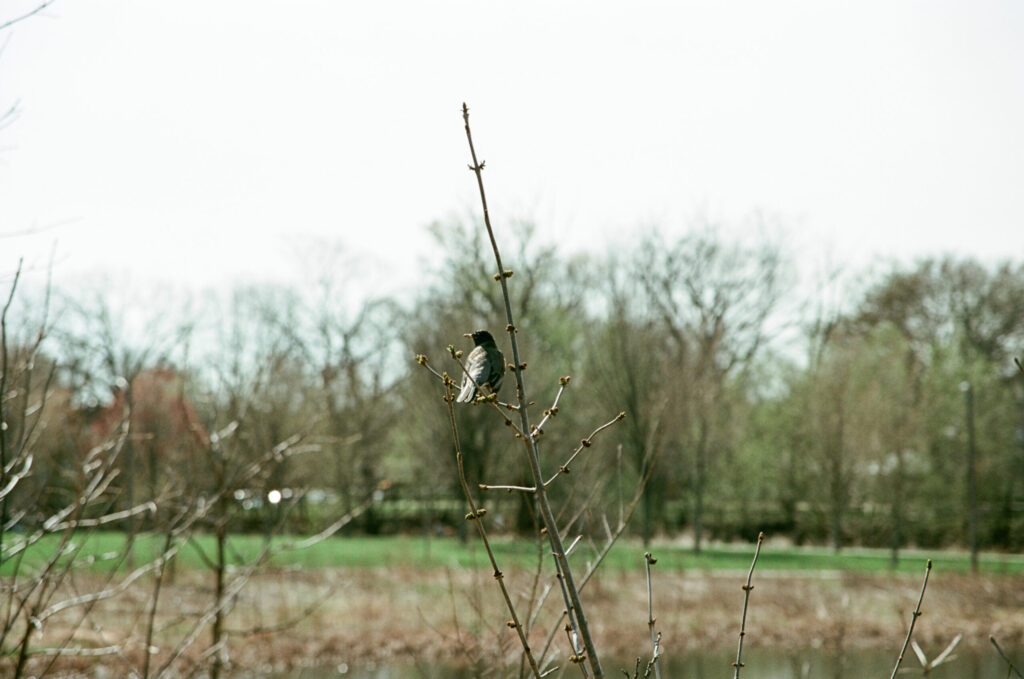
Here are some closer crops:


Looks like a similar level of grain to me, but I suppose that makes sense for two films roughly the same speed.
Detail
Aerocolor IV was designed for aerial surveillance, so it’s a given that it’ll capture a lot of detail. The question is, can FPP Color keep up? This was the main reason I wanted to get higher-res scans of the Color before I really compared them.
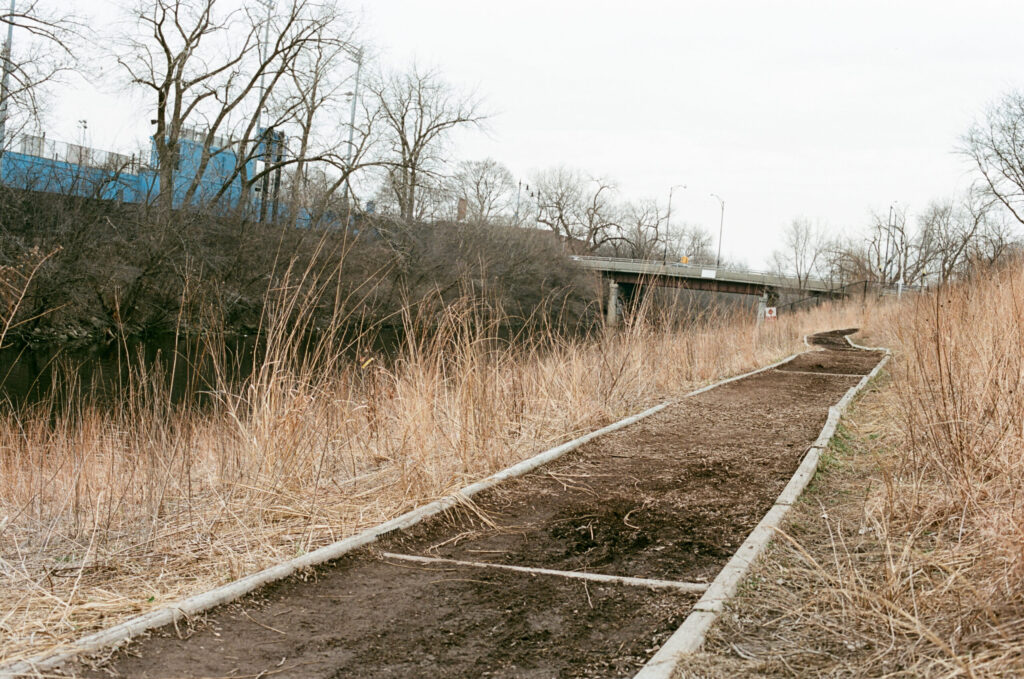
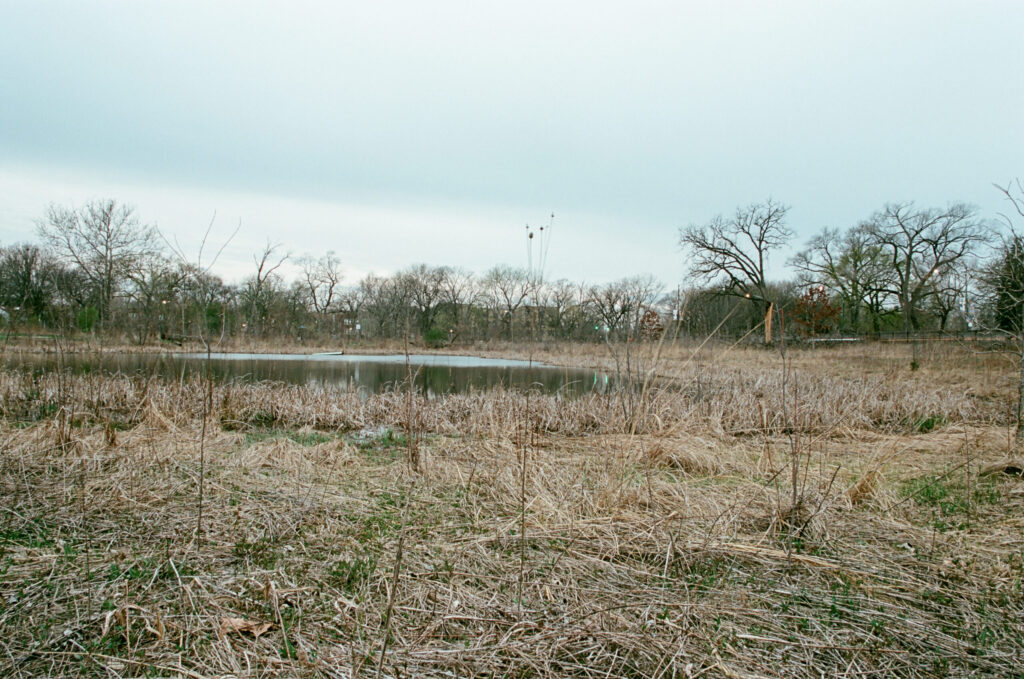


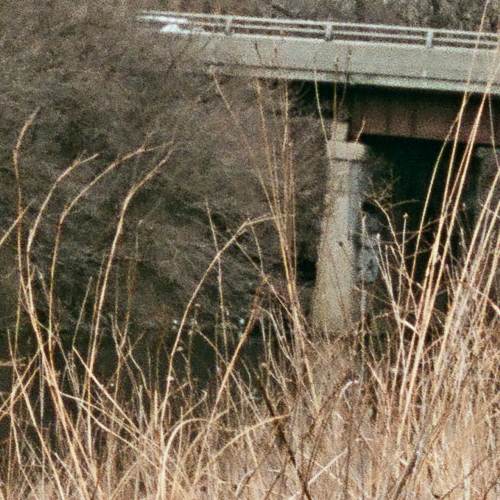

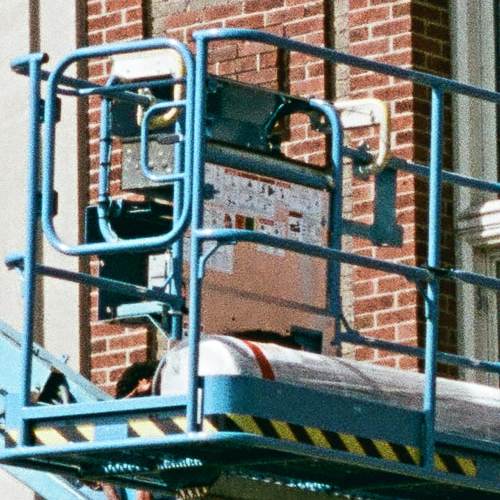

The Color actually holds its own here, I think. Who knew.
Shadows



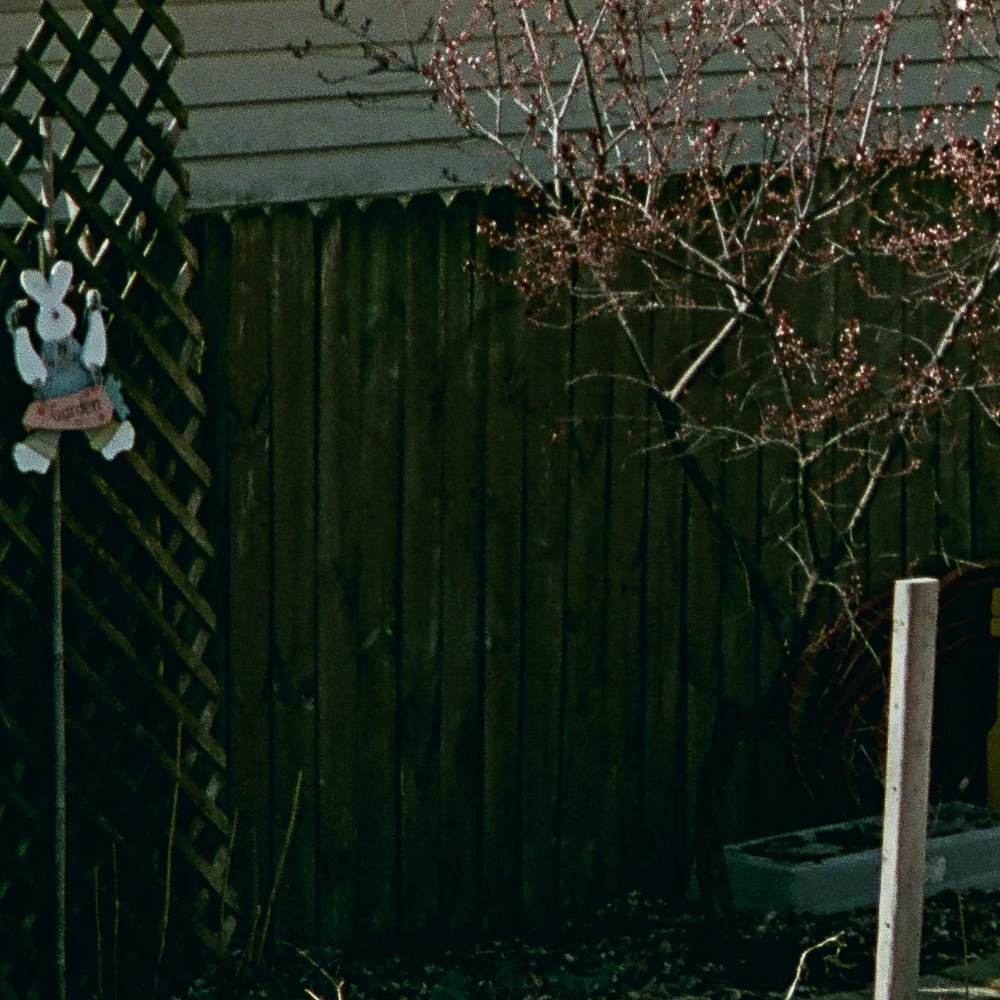
I honestly expected Elektra to be the clear winner here, but they seem fairly evenly matched in terms of detail retention in the shadows.
Color Palette
My second roll of Color was actually less red than the Elektra, which was the opposite of what I’d expected after that first roll.

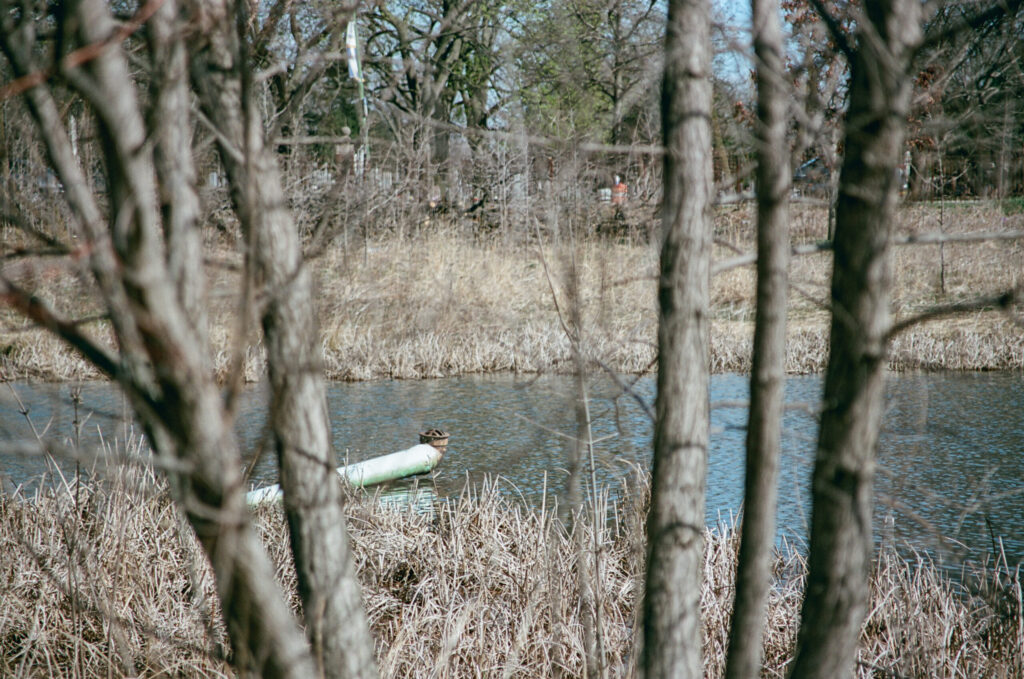
The green shadows were more distinct in my first roll, too (though they didn’t appear in every frame):

(Excuse the blurriness, I took this at 1/2 second handheld for some reason).
Those green shadows weren’t present that second roll, except in a handful of images. Of course, I probably would’ve gotten more if I’d shot it at box speed. Maybe this film at 125 is closer to what Aerocolor is like at 100?
Green shadows aren’t exactly rare of course, but I definitely prefer the more forest-green tones of these films than the swampy green you get with other films sometimes.
In both films the green cast disappears with higher exposure (which makes sense):

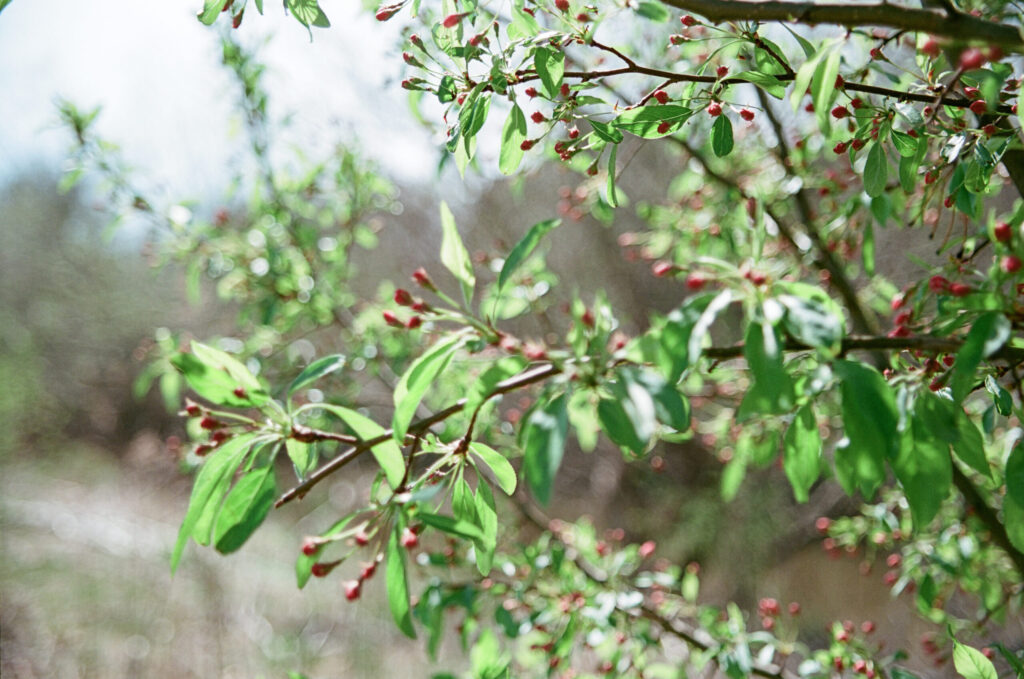
When underexposed, you can see the effect more prominently. It’s a little more obvious on the Elektra here, but they both show it:

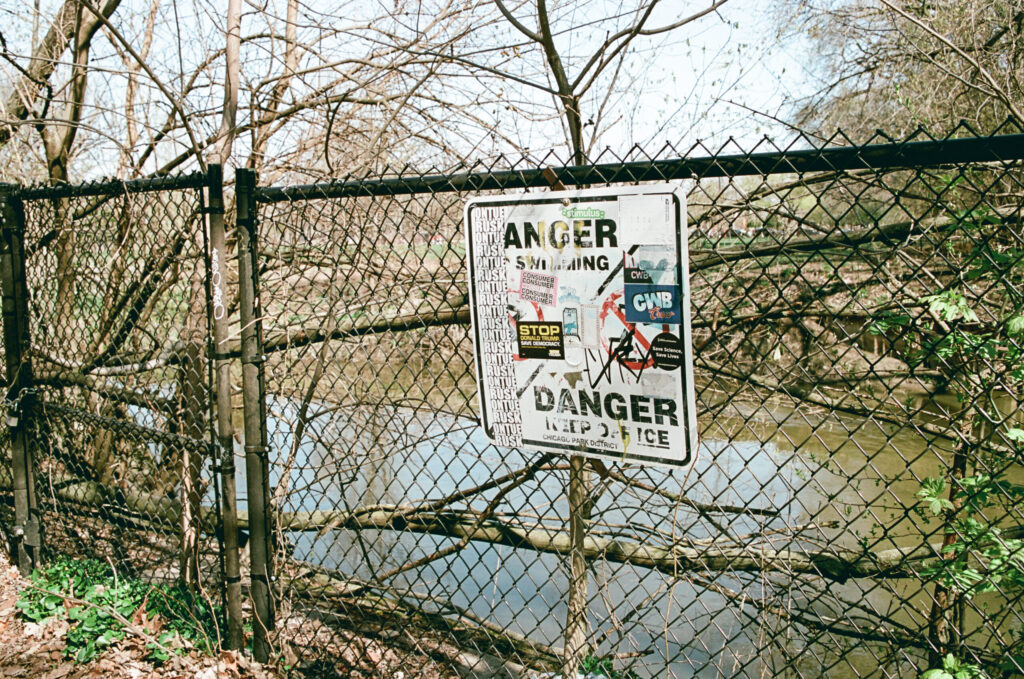
Here’s how the colors hold up in the evening:

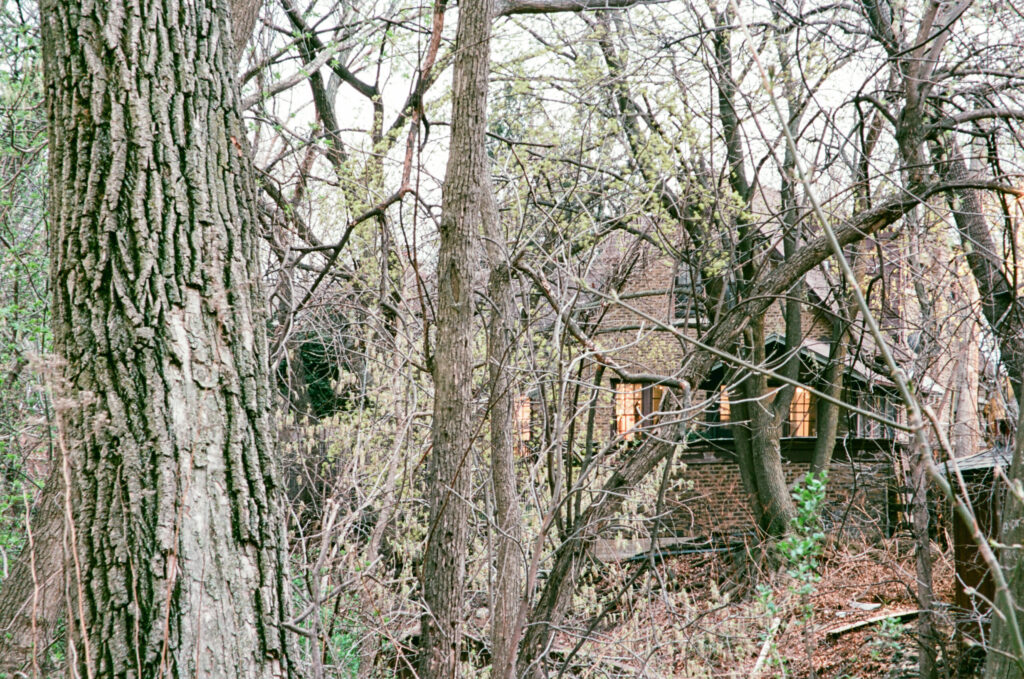

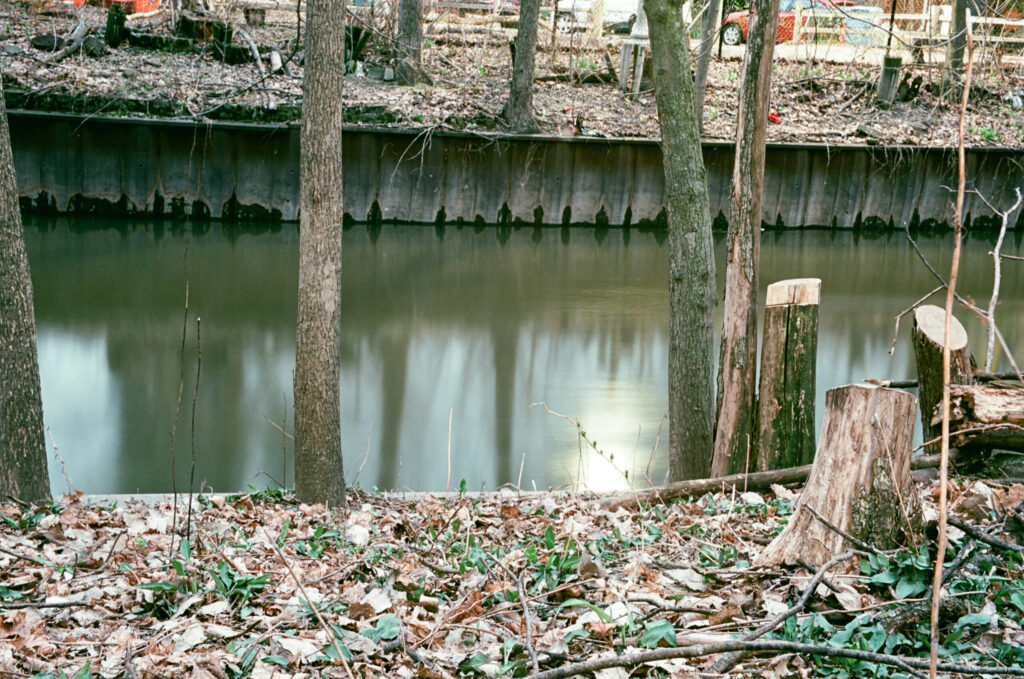
The Elektra definitely came out warmer. Of course, these weren’t taken on the same night, so take that with a grain of salt. Either way, I’d be hard-pressed to argue that either film doesn’t lean red with green shadows.
Conclusions
I’m not convinced that these are the same exact film stock, and frankly, I haven’t shot them in a way that could prove things one way or another. They might be the same. They also might have completely different origins but happen to have similar qualities- and that’s good enough for me.
Ultimately, if I buy either of these films, I’m going to get pretty fine grain, lots of detail, red hues, and green shadows. FlicFilm and FPP are both companies I’m happy to support. They offer interesting film stocks, and they’re both part of the reason we have so much more variety available beyond just what Kodak wants to sell directly to consumers.
To no one’s surprise, I’ll continue buying whichever one I can find for cheaper.
Oh- and I mentioned redscaling earlier. Those strong reds and fairly clear film base should make FPP Color 125 great as a redscale film. Maybe’ll that’s what I’ll do with that last roll of it in my fridge…

Related Posts

Into the Darkness: Messy but Improved Night Photography

My First Roll of FPP Low ISO Color