
When Phoenix started to go on sale everywhere, I should’ve known that was the beginning of the end. Past me was too shortsighted to stock up like I should’ve, but I did buy a couple rolls to play around with. And boy am I glad I did.

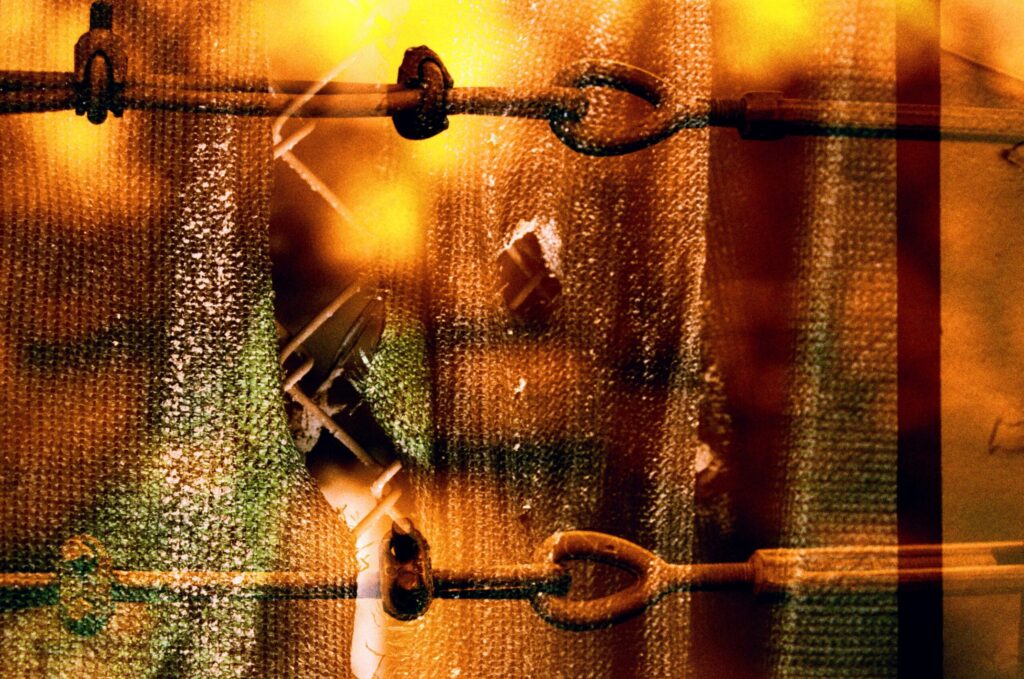
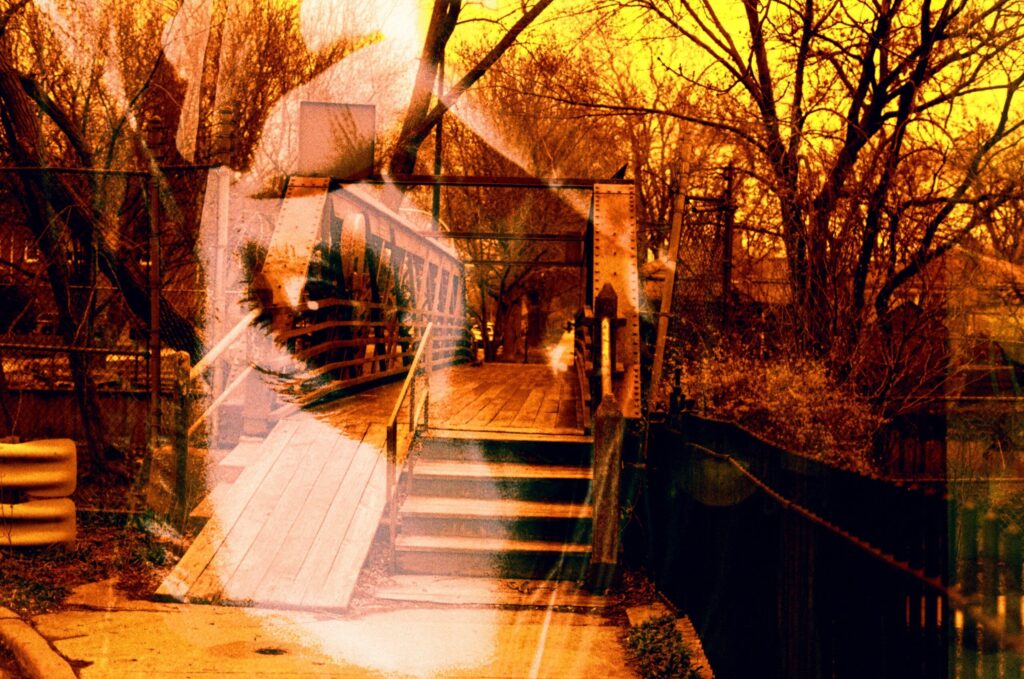
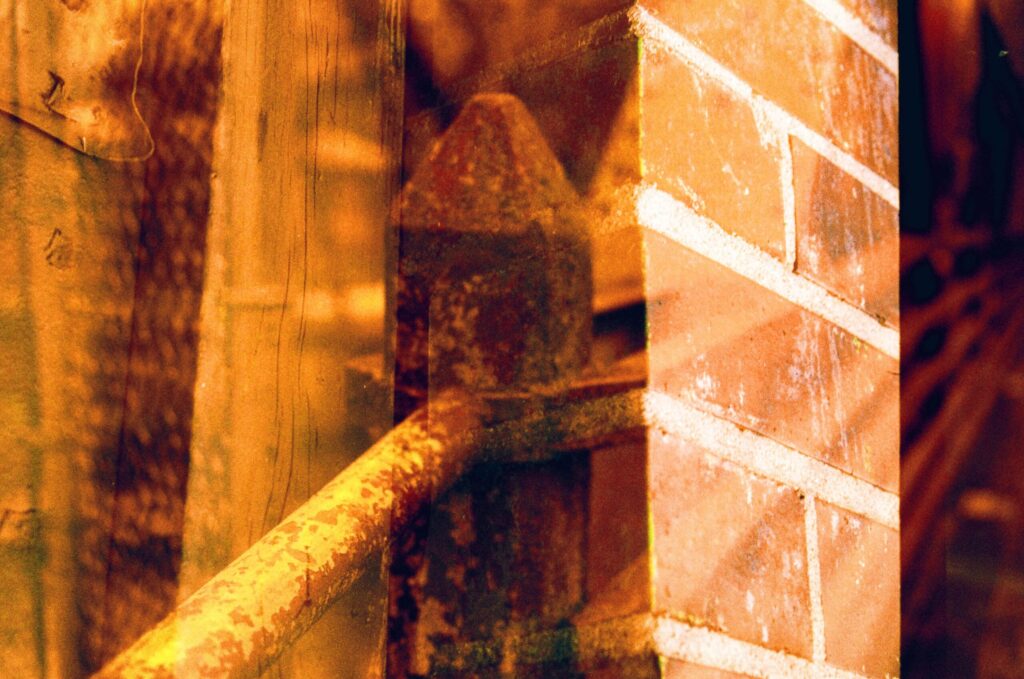
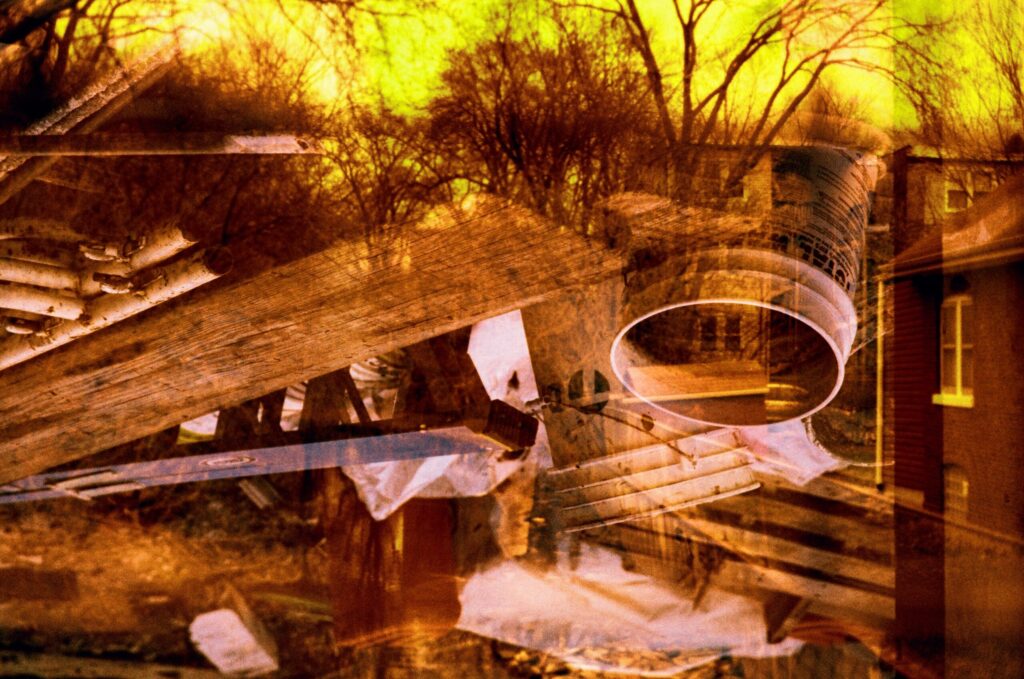
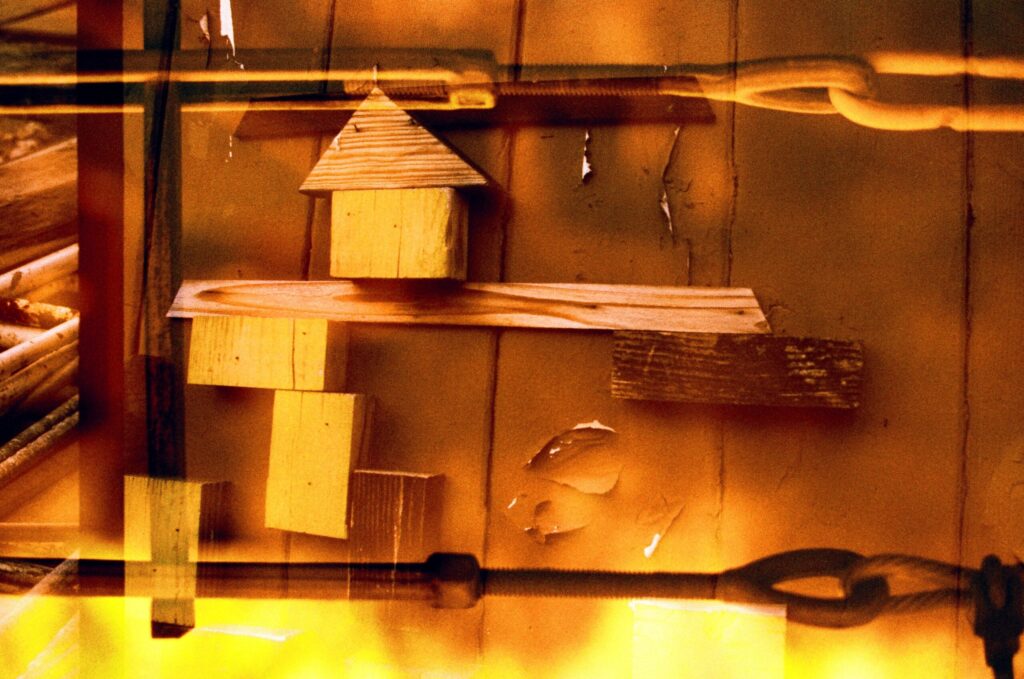
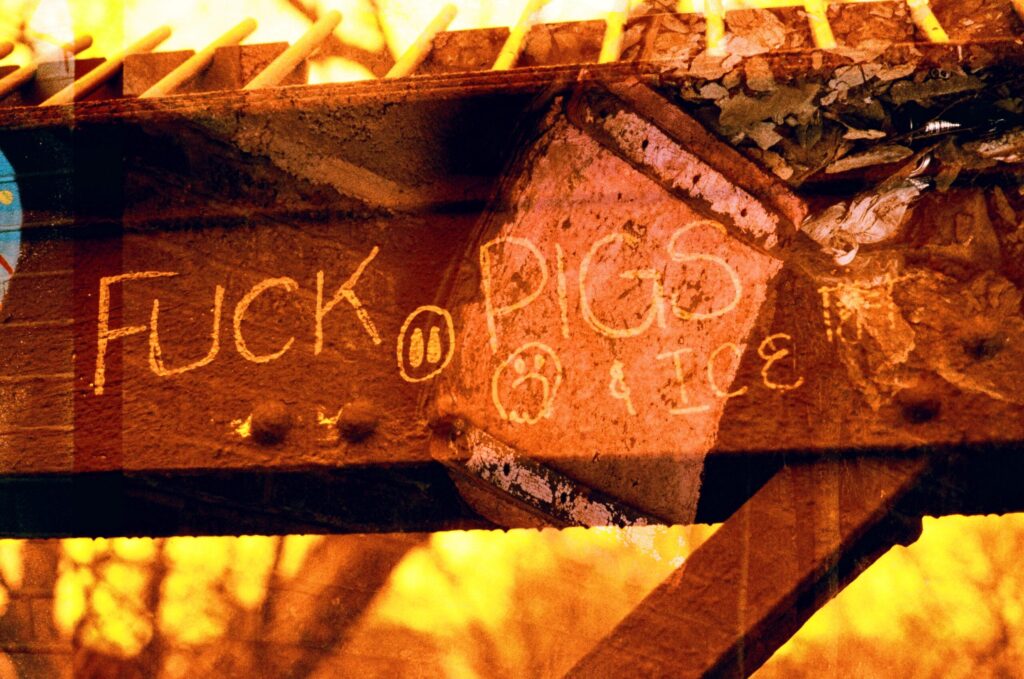
I’d recently shot my first roll of Harman Red. I’d overexposed it intentionally after having massively underexposed my first two attempts at shooting redscale film, so I ended up with a lot of yellows.


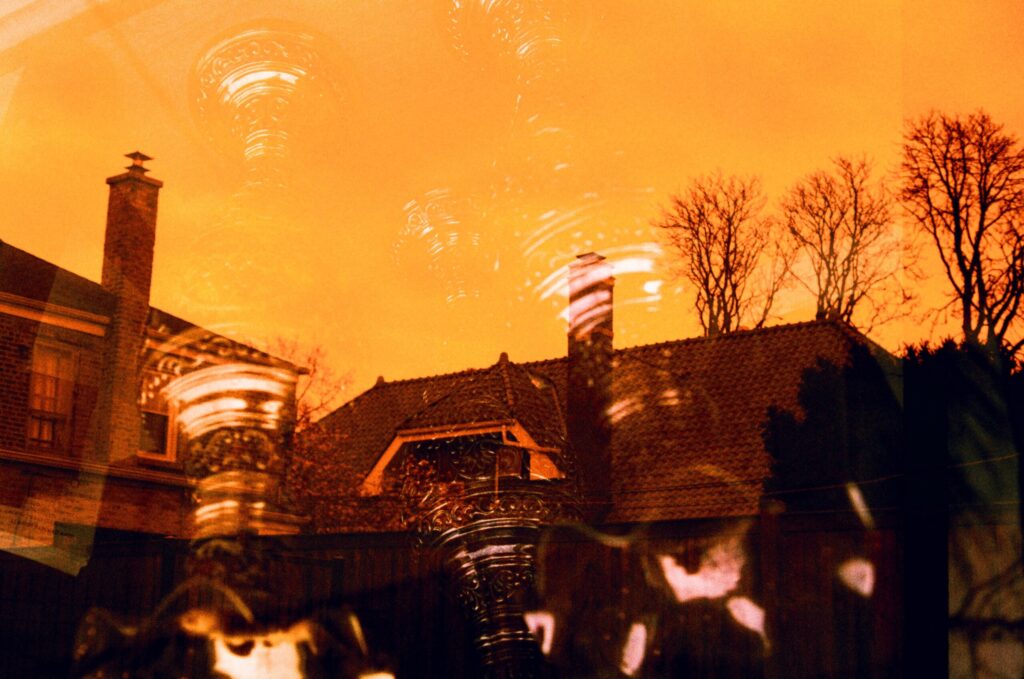
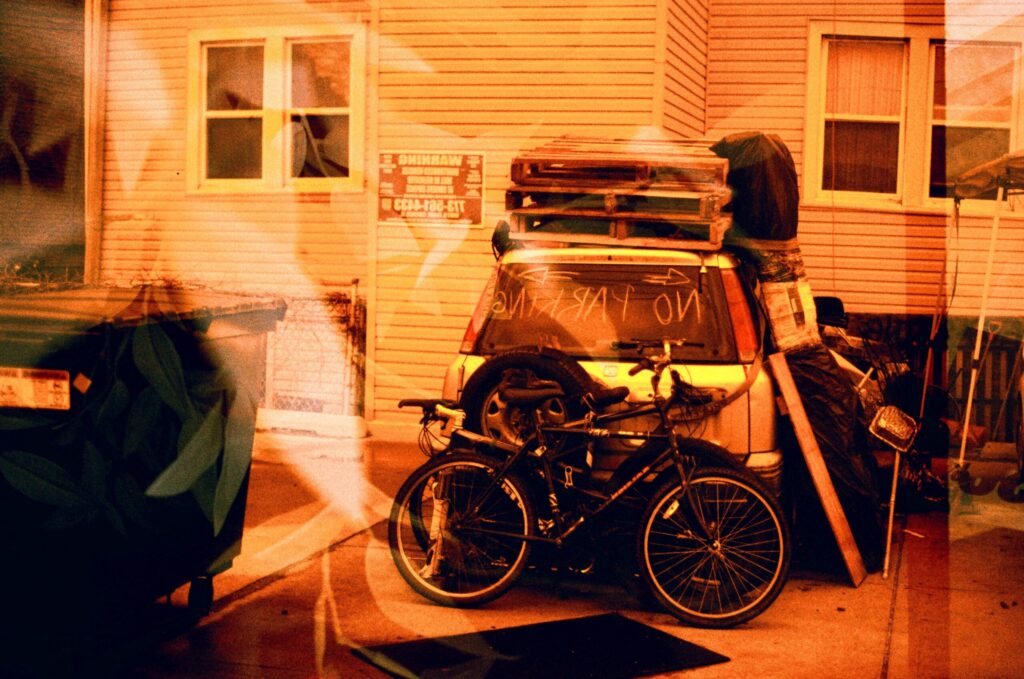
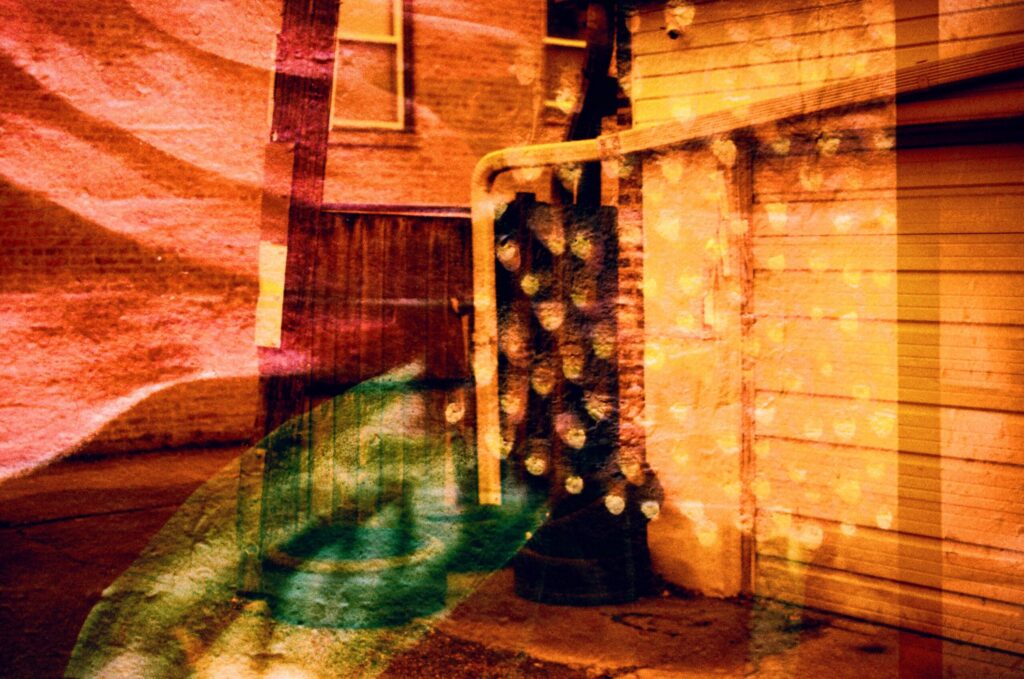
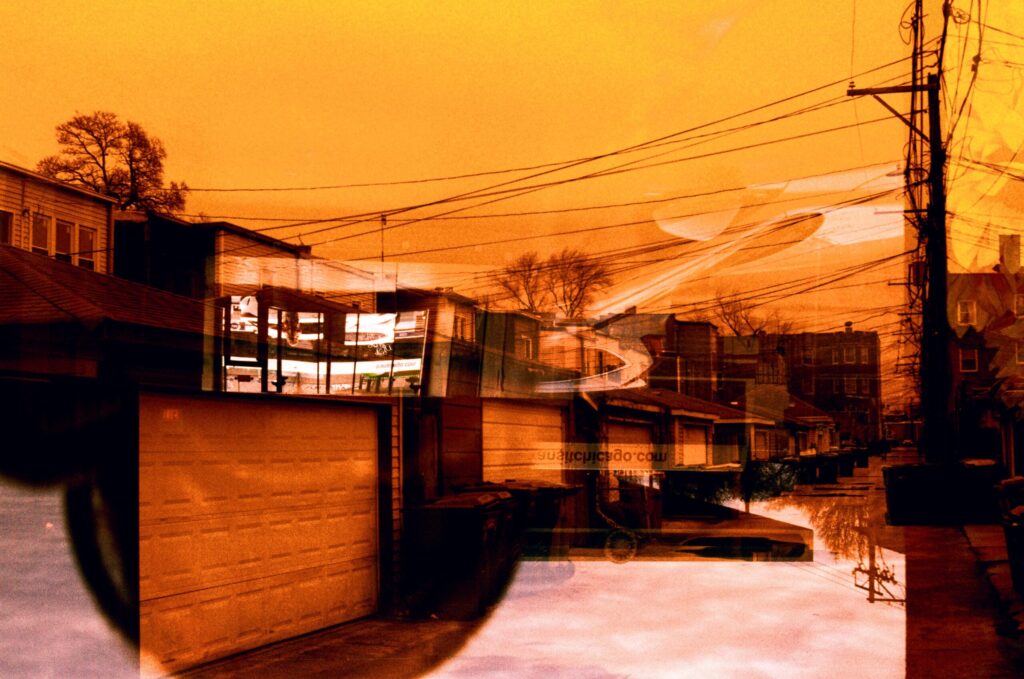
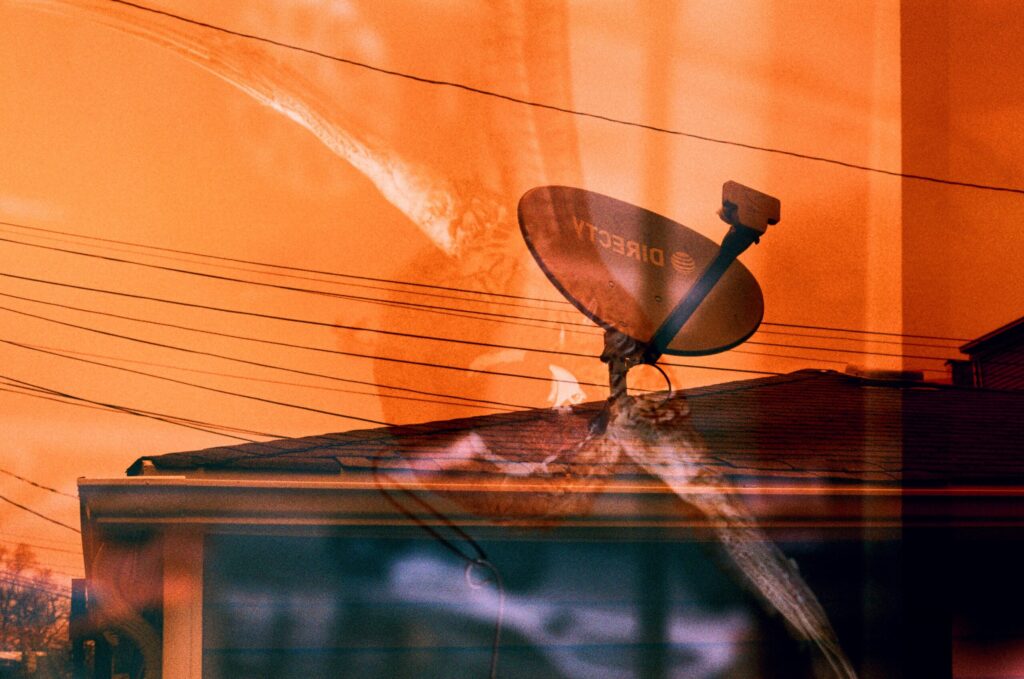
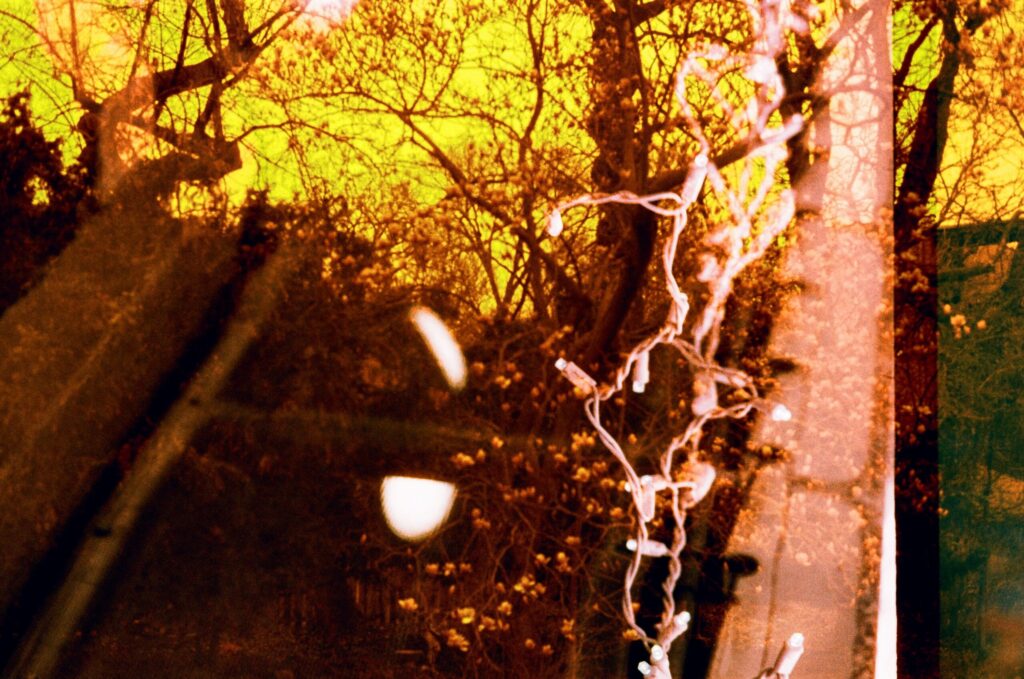
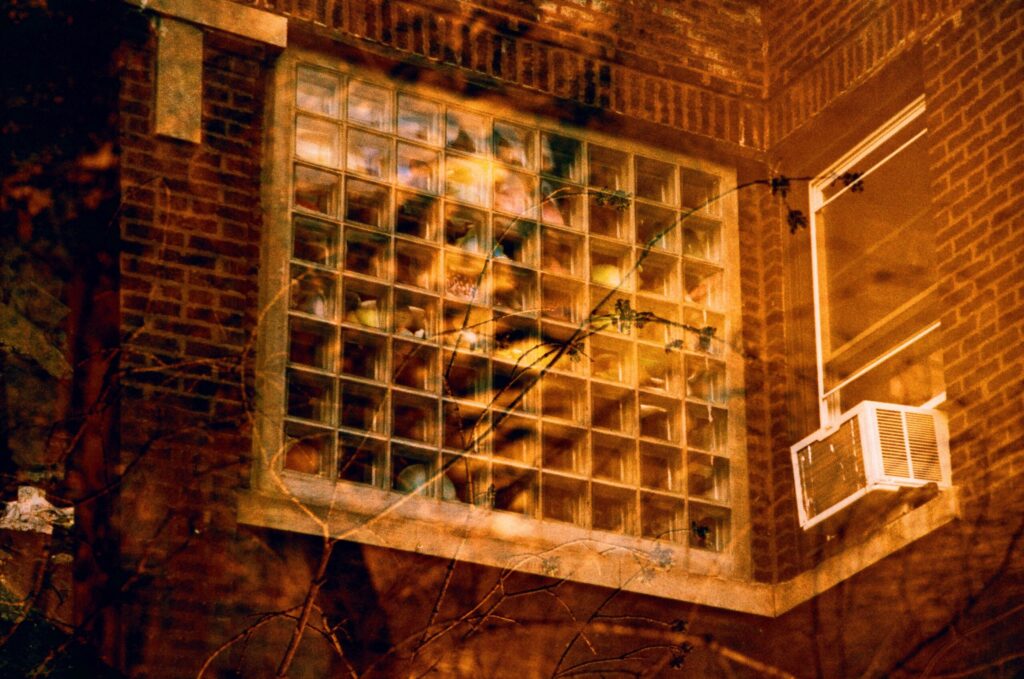
Knowing that Red can handle overexposure also makes it a good candidate for double exposure- in this case, exposing both sides of the film. Though I’ve shot a few rolls twice in my day, this was my first time redscaling film myself.
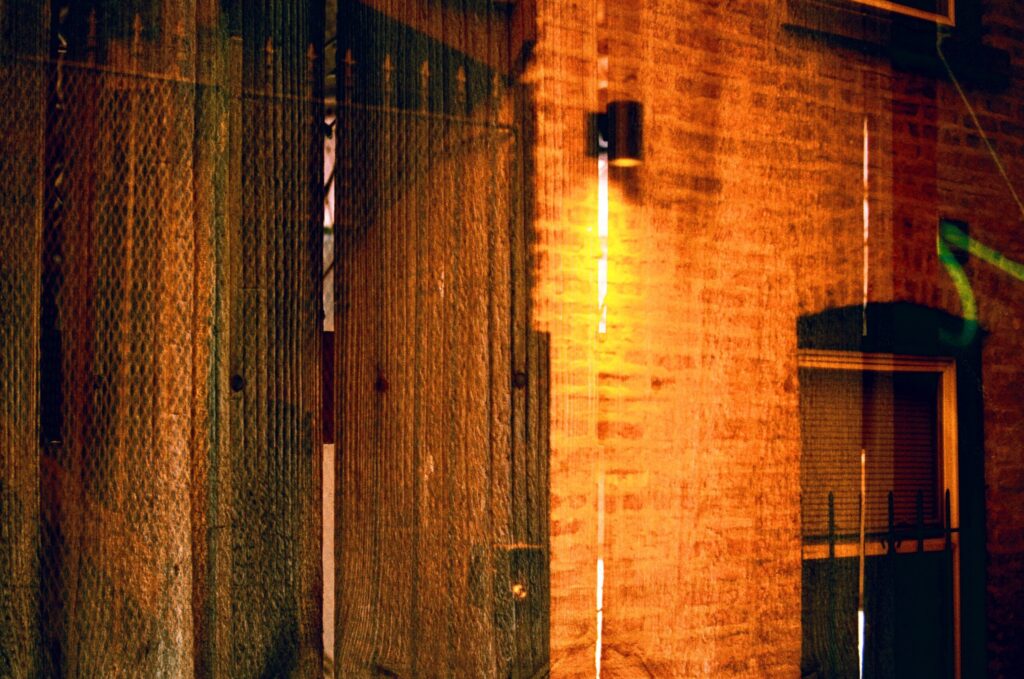
For the “normal” side, I stuck with mainly texture shots. I tried to find subjects with greens or blues that would stand out against the redscale exposure.



Then came the actual redscaling. With a towel stuffed under my bathroom door, I pulled out the roll of film, cut near the end, flipped the cartridge upside down, taped it back together, and then wound the film back inside the cartridge. I was worried the masking tape wouldn’t hold up well, so I went a little overboard taping it. This meant I had a helluva time winding it back in. I thought I’d be trapped in that dark bathroom forever.
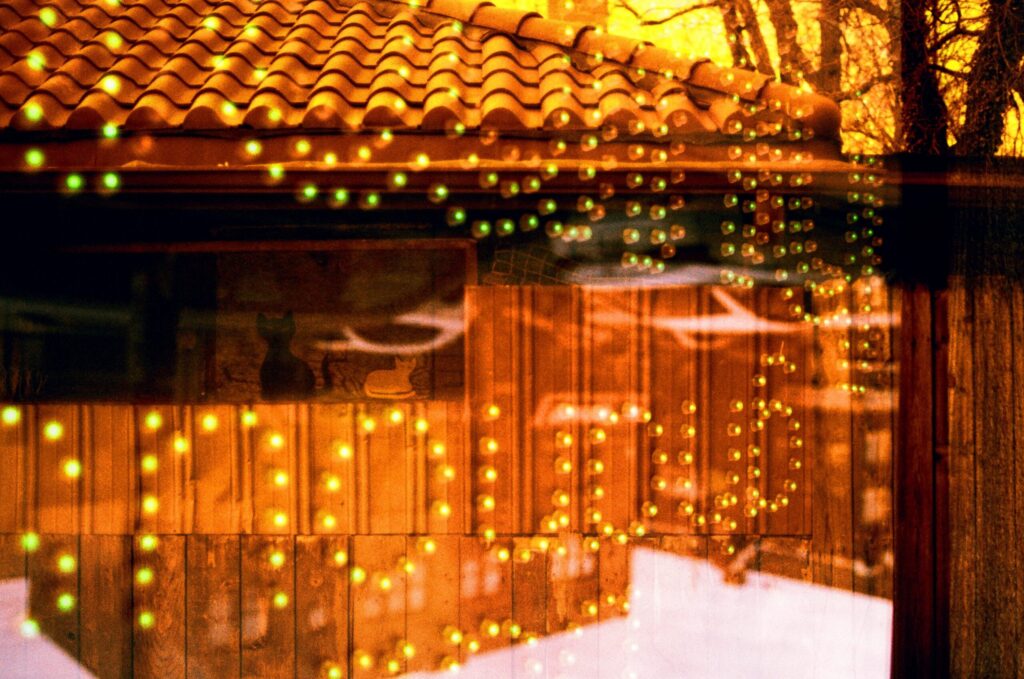

It was overcast when I shot the red side, which in my opinion was perfect weather for shooting a high-contrast film like Phoenix. Theoretically for double exposures you’re supposed to underexpose by one stop per exposure, but I diverged a bit. I shot the normal side at the box speed of 200, and the red side at 160 (which is slightly under, as Harman Red’s ISO is 125). I’ve heard that Phoenix is closer to a 125-speed film in a technical sense anyway, so I figured this would be fine. I might try a little less exposure next time, but I’m pretty happy with my results.

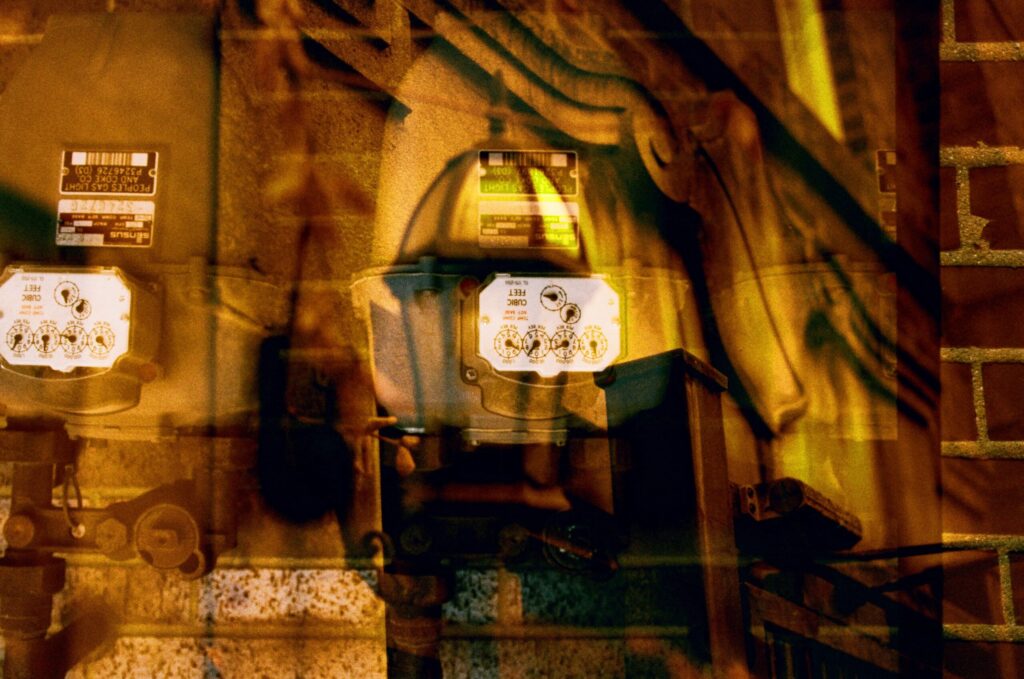
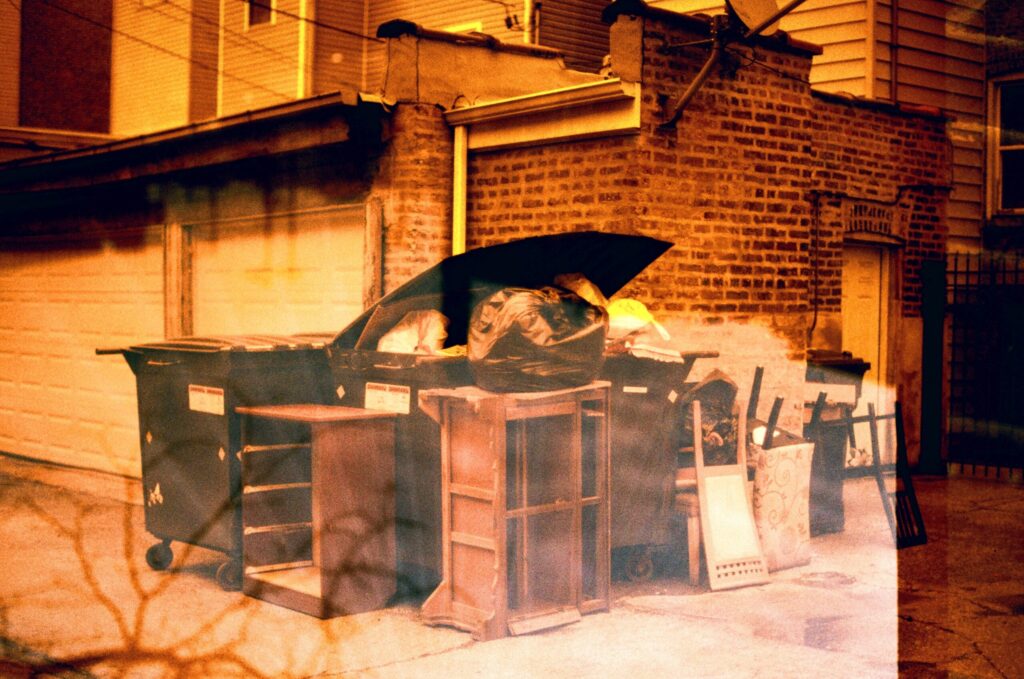
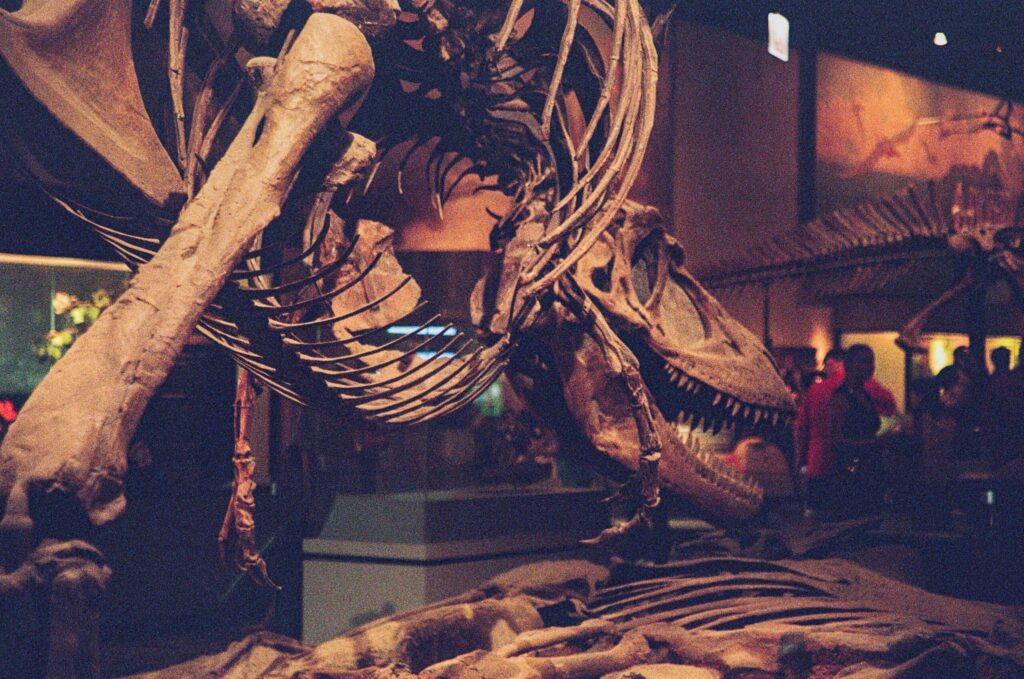
I chose to rewind after 34 frames out of paranoia that shooting any further would tear the film back apart. Maybe next time I’ll be brave enough to shoot the whole thing, but this time I ended up with two perfectly normal Phoenix shots at the end of my roll.
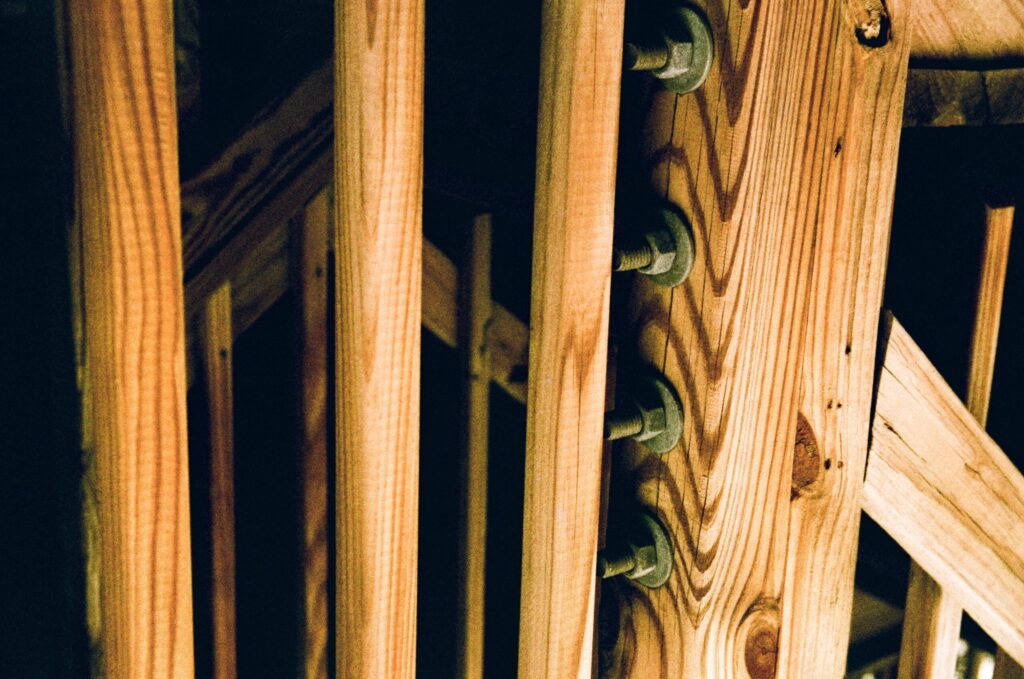

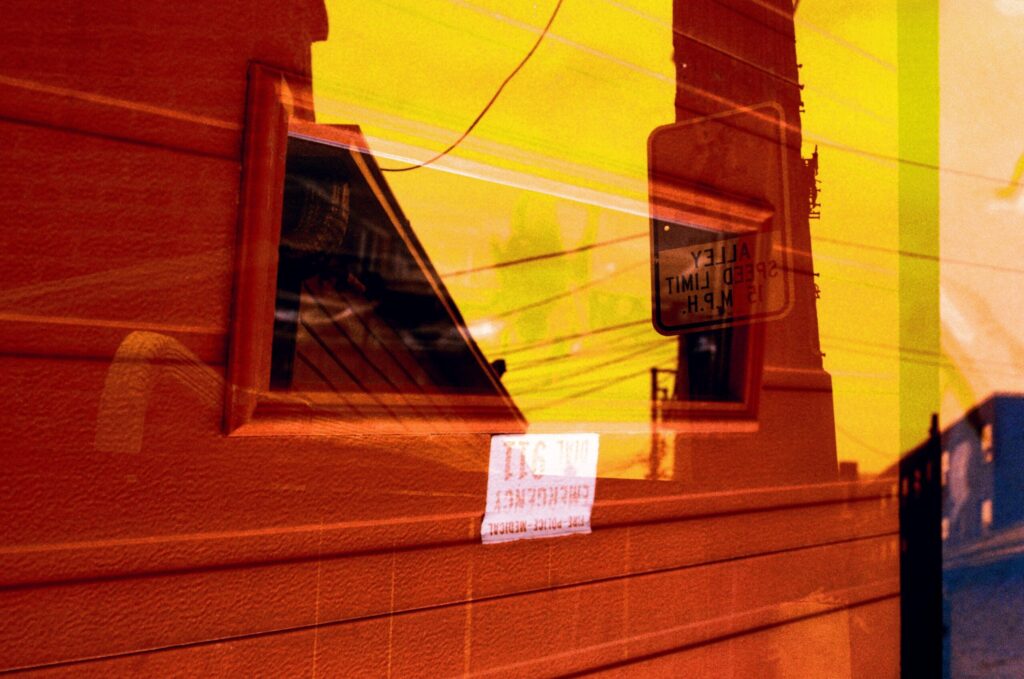
One thing I didn’t consider is that the film wouldn’t just be backwards, but upside down. For some of the shots this didn’t matter, but the ones that included words were pretty obviously flipped.
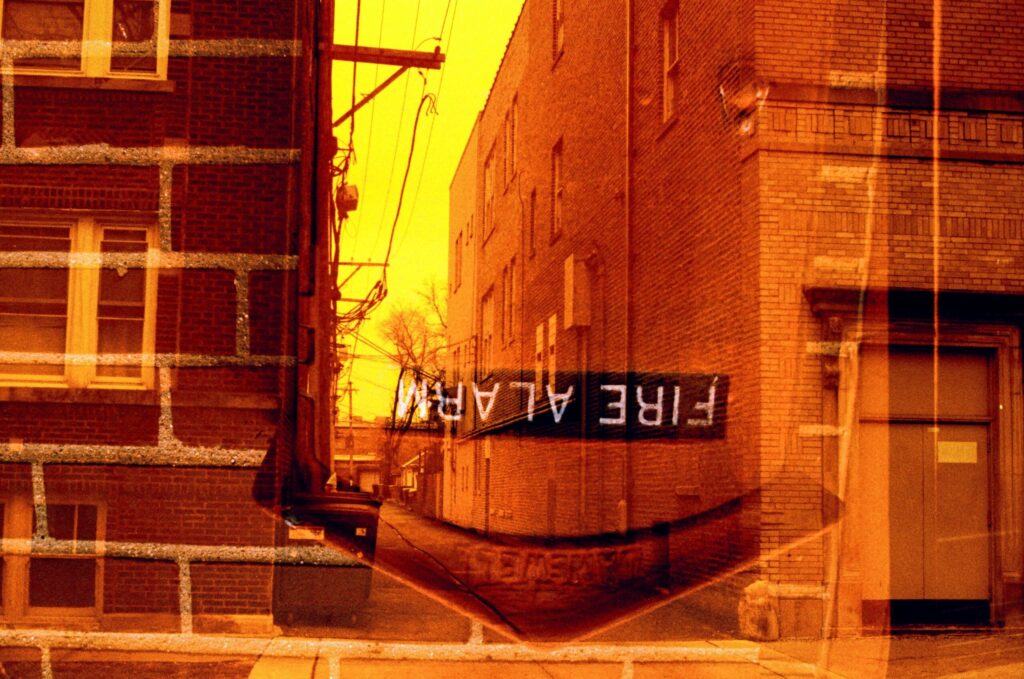

As I’m typing this, it’s mere days after that fated moment when every store sold out of 35mm Phoenix, seemingly all at once. I have one last roll in my fridge, but this seems to be the end of the line. (Edit: The Film Photography Project seems to still have some, so hopefully that’ll keep us going for a tiny bit longer!) We knew from the beginning that Phoenix would be a limited run, but losing it still stung more than I expected. I’m less than a year into this hobby myself, so this is my first experience losing a film stock like this. Is this what the Fujifilm fans have been going through this whole time?
Happily, I was able to snag some discounted shortdated Harman Red. Presumably that will sell out in due time, too. But for now, maybe I’ll be able to repeat this technique in reverse: shooting the red side first and then “normalscaling” it.
I also want to try playing around with where and how I cut my leader. Maybe if I get it just right I can make the frames line up on both sides. The overlap isn’t too distracting, though, so I won’t be mad if I can’t get it right.
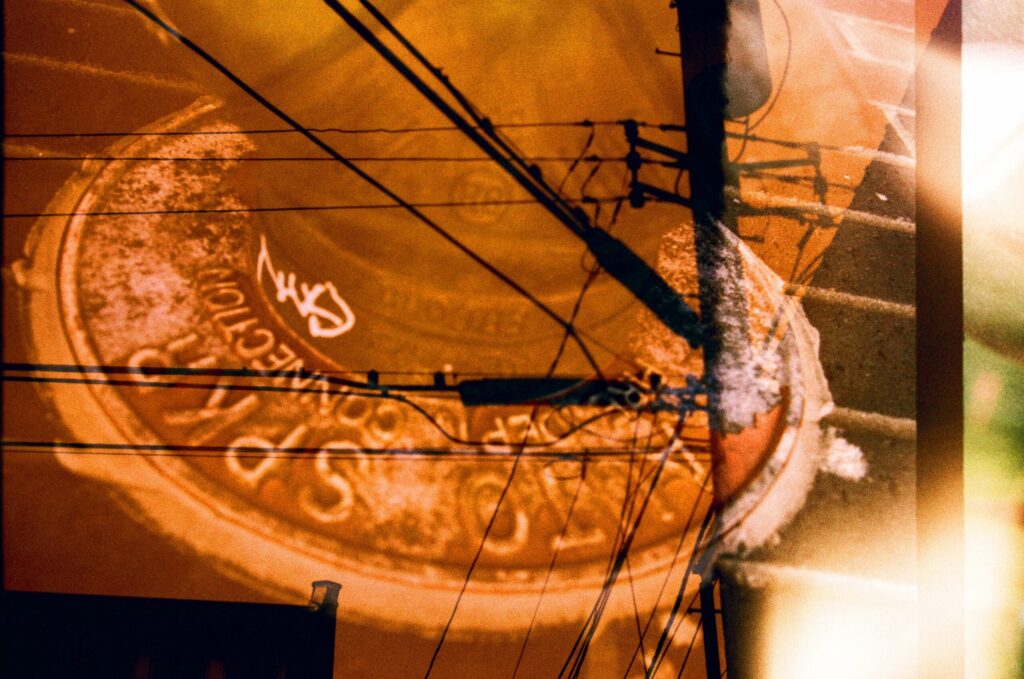
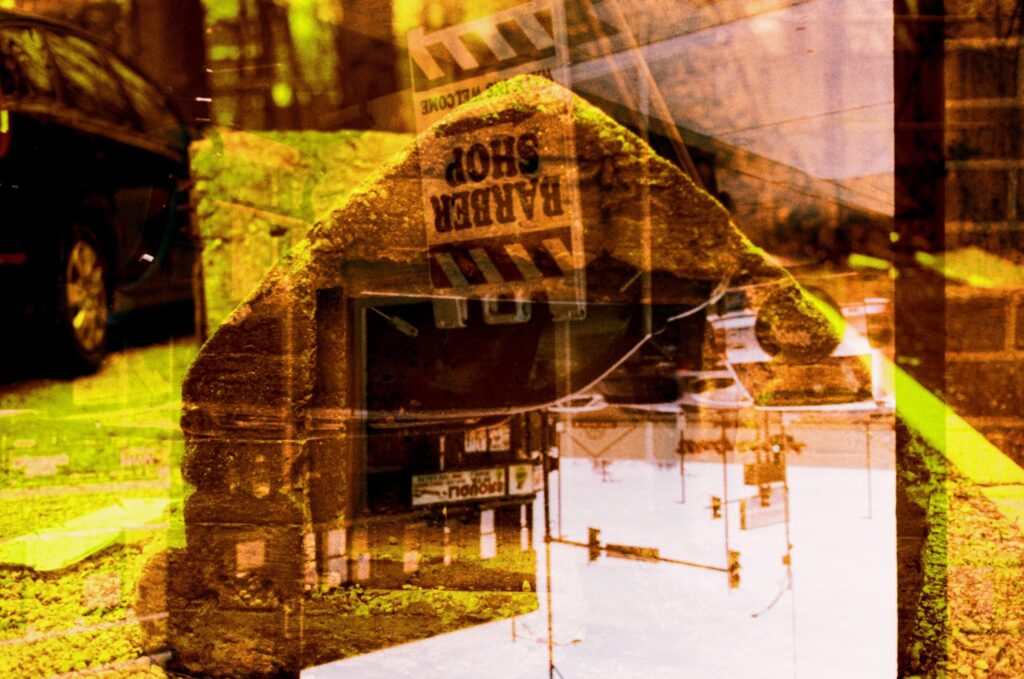
Here’s the rest of the roll for good measure:






Related Posts
Pushing Street Savvy 400: I Told You So

Shooting Harman Phoenix From Both Sides with a Lens Splitter

One Comment